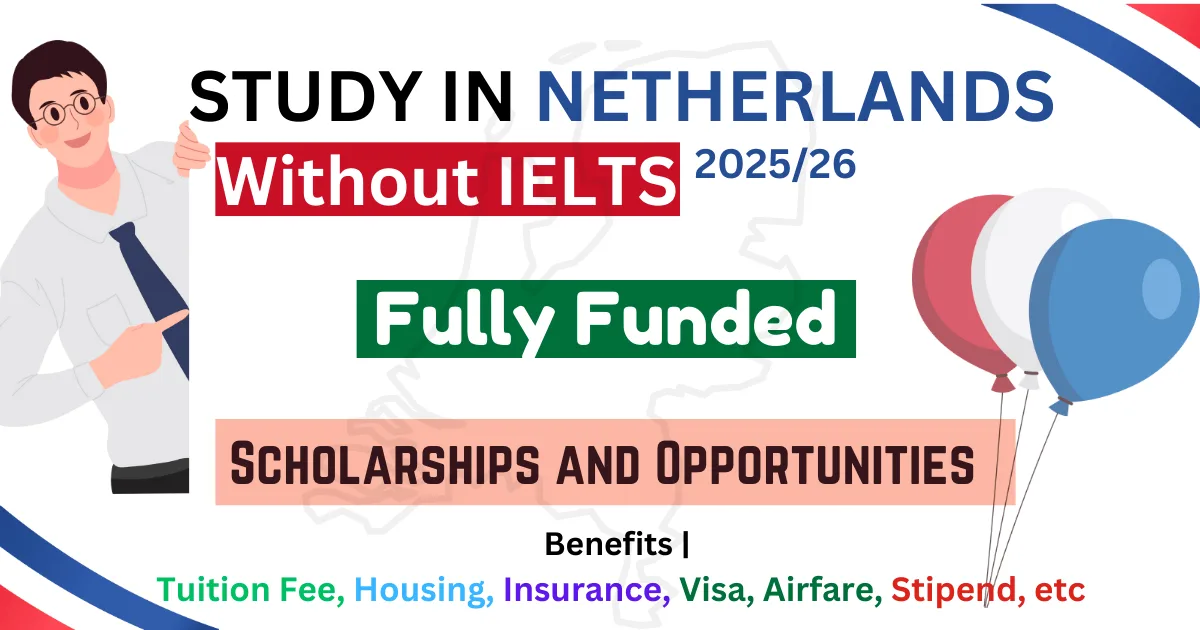
Study in the Netherlands Why Study in the NetherlandsStudying in the Netherlands has become increasingly popular among international students—and for good reason. With its high-quality education system, welcoming international environment, affordable tuition fees, and excellent scholarship opportunities, the Netherlands offers an enriching academic and cultural experience. Below is a comprehensive FAQ guide answering common questions about studying in the Netherlands.
📚 General FAQs About Studying in the Netherlands
Q1: Why should I consider studying in the Netherlands?
The Netherlands offers world-class education, especially in fields like engineering, social sciences, economics, business, and environmental studies. Dutch universities consistently rank among the top in global rankings, and many programs are taught in English. The country is also known for its safety, international student friendliness, and high standard of living.
Q2: What is the language of instruction for international students?
Over 2,000+ degree programs are taught entirely in English, making the Netherlands one of the top non-native English-speaking countries for international education. This is ideal for students who want to study abroad without learning a new language first.
Q3: How is the Dutch education system structured?
The higher education system includes:
- Research Universities (WO) – Focus on academic and theoretical education.
- Universities of Applied Sciences (HBO) – More practical and profession-oriented.
- Institutes for International Education – Specialized programs for international students.
Q4: Are Dutch universities recognized globally?
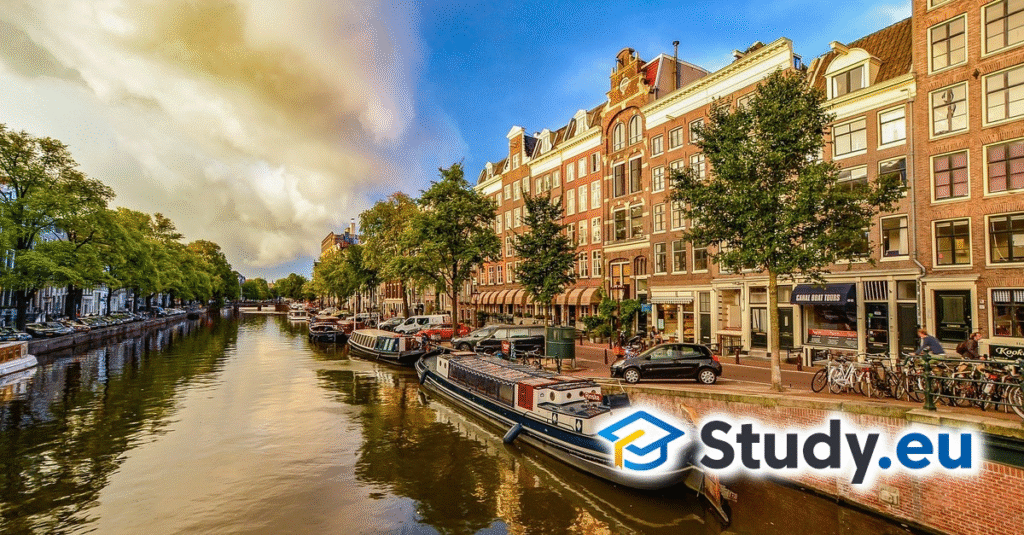
Yes. Institutions like Delft University of Technology, University of Amsterdam, Leiden University, and Erasmus University Rotterdam are highly respected worldwide. Many Dutch universities rank within the Top 100-200 globally.
🎓 Academic Benefits
Q5: What makes Dutch education unique?
Dutch education emphasizes:
- Student-centered learning
- Interactive teaching
- Group work and practical assignments
- Critical thinking
This approach prepares students for real-world problem-solving and global careers.
Q6: Is it easy to get admission as an international student?
Admission requirements vary depending on the program and institution, but typically include:
- Academic transcripts
- English language proficiency test (IELTS, TOEFL)
- Motivation letter and CV
- Valid passport and other documentation
Dutch institutions are open to international talent and provide support throughout the application process.
💸 Costs of Studying in the Netherlands
Q7: How much does tuition cost for international students?
Tuition fees differ for EU/EEA and non-EU/EEA students.
| Student Type | Average Annual Tuition (Bachelor’s) | Master’s Programs |
|---|---|---|
| EU/EEA Students | €2,530 | €2,530 – €4,500 |
| Non-EU/EEA Students | €6,000 – €15,000 | €8,000 – €20,000 |
Programs in medicine or business may be on the higher end.
Q8: What is the cost of living in the Netherlands for a student?
On average, international students need €900 – €1,500 per month, which includes:
- Rent: €350 – €700
- Food: €200 – €400
- Transport: €50 – €100
- Health Insurance: €80 – €120
- Personal expenses: €100 – €200
Amsterdam is generally more expensive than smaller cities like Groningen or Enschede.
Q9: Can I work while studying?
Yes. International students can work:
- 16 hours per week during the academic year
- Full-time during holidays
However, a work permit from the employer is required for non-EU/EEA students.
💰 Scholarships & Financial Aid
Q10: Are there scholarships available for international students?
Absolutely. The Dutch government, universities, and organizations offer various scholarships. Here are the most notable ones:
a) Holland Scholarship
- For non-EU/EEA students
- Award: €5,000 (one-time)
- Offered by the Dutch Ministry of Education and universities
b) Orange Tulip Scholarship (OTS)
- For students from specific countries
- Covers partial/full tuition
- Field-specific and country-specific
c) Erasmus+ Program
- For EU students
- Financial support for exchange programs and internships
d) University-specific scholarships
Many institutions offer scholarships like:
- VU Fellowship Programme (VUFP)
- TU Delft Excellence Scholarships
- University of Amsterdam Merit Scholarships
- Radboud Scholarship Programme
Q11: How competitive are these scholarships?
Scholarships are highly competitive, especially full-tuition awards. Strong academic performance, a compelling motivation letter, relevant extracurricular activities, and timely application submission improve your chances.
🏠 Student Life & Accommodation
Q12: What is student life like in the Netherlands?
The Netherlands has a vibrant student culture. You’ll find:
- Student unions, international clubs, and events
- Sports facilities and cycling routes
- Access to libraries, cafés, and cultural activities
Most Dutch people speak English, making integration smoother.
Q13: How can I find accommodation?
Student housing can be found through:
- University housing services
- Websites like Kamernet, HousingAnywhere, Room.nl
- Facebook groups for student housing
It’s advised to start looking as early as possible, especially in major cities.
Q14: Do I need health insurance?
Yes, health insurance is mandatory. Options include:
- Dutch public insurance (if you work part-time)
- Private international student insurance (if you’re not working)
Universities often guide students in choosing the right plan.
🛂 Visa & Immigration
Q15: Do I need a student visa?
If you’re from non-EU/EEA countries, yes. Your university typically applies for a residence permit (MVV) on your behalf. Required documents include:
- Proof of admission
- Financial proof (~€14,000/year)
- Health insurance
- Valid passport
- Motivation letter
Q16: How long does the visa process take?
The process takes about 4 to 8 weeks, so it’s recommended to apply early after university admission.
Q17: Can I stay in the Netherlands after graduation?
Yes. The Orientation Year Permit (zoekjaar) allows graduates from Dutch universities to stay for 1 year to find a job or start a business. During this year, no work permit is required.
🌍 Cultural & Career Benefits
Q18: What is it like to live in the Netherlands?
It’s safe, clean, and extremely international. The Dutch are known for being:
- Open-minded and tolerant
- Environmentally conscious
- Friendly and fluent in English
You’ll experience rich cultural heritage, modern cities, and a strong sense of social responsibility.
Q19: What are career prospects after studying?

Dutch universities are well connected to global industries. Fields like engineering, logistics, finance, sustainability, health sciences, and technology offer great employment opportunities.
After completing your studies, you can apply for:
- The Orientation Year visa
- Highly skilled migrant visa if employed
Q20: Is there any discrimination against international students?
The Netherlands is one of the most open societies in Europe. While isolated cases may happen anywhere, Dutch universities have strong anti-discrimination policies and support systems for students from diverse backgrounds.
📅 Application & Deadlines
Q21: When should I apply?
- Bachelor’s degree programs: Applications generally open in October and close by May 1st.
- Master’s programs: Vary between January – May.
Early application is strongly advised, especially for scholarships and housing.
Q22: How can I apply to Dutch universities?
You can apply via:
- Studielink (official application portal)
- University-specific websites
Prepare to upload:
- Academic transcripts
- Language test scores
- Motivation letter
- Letters of recommendation (if required)
- CV
✅ Final Thoughts
Q23: Is the Netherlands the right choice for me?
If you’re looking for:
- A high-quality, internationally respected education
- Programs in English
- A welcoming multicultural society
- Affordable tuition compared to the UK, USA, and Australia
- Good job prospects after graduation
Then the Netherlands is an excellent study destination.
✨ Summary: Pros & Cons of Studying in the Netherlands
| Pros | Cons |
|---|---|
| High-quality education | Housing shortage in big cities |
| English-taught programs | Weather can be gloomy |
| Affordable compared to UK/USA | Scholarship competition is high |
| Work opportunities | Complex visa documentation |
| Welcoming, multicultural society | High living expenses in Amsterdam |
If you’re serious about building a global future and want a quality education in a country that blends tradition with innovation, studying in the Netherlands might just be the best decision of your life.